Interview
Alaya Lee
United States
Alaya Lee is a visual artist and graphic designer whose work moves between design and contemporary art. Drawing from sound, memory, and movement, she creates visual systems that translate abstract ideas into clear and expressive forms, shaped by international collaboration and a background in visual communication.
1 Congratulations on your achievements in the MUSE Creative Awards! Could you start by introducing yourself or your agency? Can you also share a bit about your journey into your current industry?
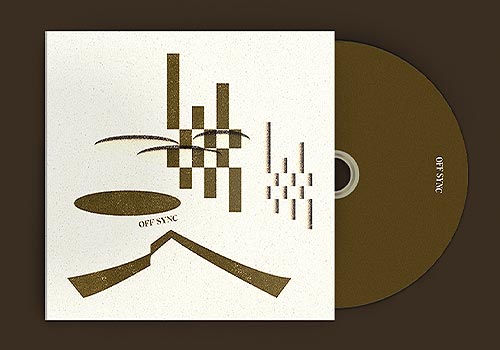
I am a visual artist and graphic designer whose work spans graphic design, independent publishing, and exhibition-based projects. My practice focuses on translating abstract ideas—such as sound, memory, and movement—into clear and cohesive visual languages. I collaborate closely with musicians, cultural organizations, and creative teams, developing visual systems that respond to both concept and context. My journey began with formal training in visual communication and evolved through international and cross-disciplinary projects. Over time, I became interested in how design can function as a form of structure and storytelling, not just visual expression. Today, my work sits between design and contemporary art, using visual language as a way to connect ideas, experiences, and audiences.
2 What inspired you to submit your work for this competition, and what does winning mean to you personally and professionally?
I submitted my work to the MUSE Creative Awards because the platform recognizes concept-driven and cross-disciplinary practices. My work often moves between design and art, and MUSE felt aligned with this approach. Winning affirms the value of thoughtful, context-aware creative work. Professionally, it strengthens my international visibility, and personally, it encourages me to continue developing projects with clarity and intention.
3 Can you share the story behind your success? What inspired its creation, and what do you feel it represents in today’s industry?
My work has been shaped by approaching creative practice as an ongoing process rather than a single outcome. Working across different contexts and collaborations has led me to focus on developing clear, adaptable visual systems that respond to real needs. In today’s industry, I believe this approach reflects a shift toward more intentional and sustainable creative practices. It shows how designers are increasingly expected to think beyond aesthetics, considering structure, communication, and long-term relevance.
4 What do you believe set your project apart in such a competitive field? Were there specific elements or strategies that made it shine?
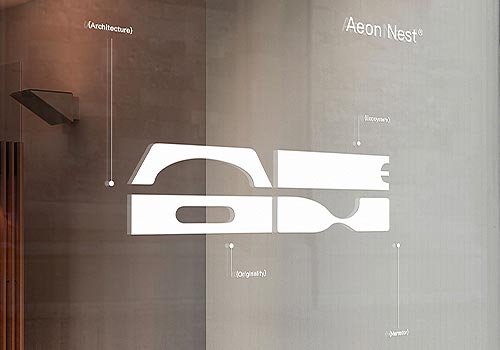
What set my work apart was a strong emphasis on clarity and consistency across different touchpoints. Instead of treating design as isolated visuals, I approached each project as a connected system—aligning concept, execution, and communication. This strategic coherence allowed the work to remain clear while still leaving room for interpretation. I believe this balance between structure and openness helped the project stand out in a highly competitive field.
5 Every project has its challenges. Can you share a significant obstacle you faced during this process and how you overcame it?
One of the main challenges was navigating uncertainty—balancing creative direction with shifting constraints such as timelines, collaborators, or platforms. Rather than forcing a fixed solution, I focused on prioritizing what truly mattered and making informed adjustments along the way. By staying flexible while maintaining clear decision-making principles, I was able to keep the work focused and coherent. This process reinforced the importance of adaptability as a core part of creative practice.
6 Winning an award of this caliber often brings recognition. What do you hope this achievement will mean for your career, your team, or your agency in the long run? Have you already noticed any changes or opportunities arising from this recognition?
In the long run, I hope this recognition helps position my work within a broader international conversation and creates opportunities for more meaningful collaborations. Rather than being an endpoint, the award serves as a point of connection—opening dialogue with new partners, institutions, and creative communities. I’ve already noticed increased interest and conversations that go beyond a single project. It reinforces the idea that consistent, thoughtful work can gradually build trust and momentum over time.
7 What has the reaction been from clients, audiences, or stakeholders about your winning entry? Any feedback or memorable moments that stand out?
The response has been thoughtful and encouraging. Many clients and collaborators mentioned that the work felt clear, intentional, and well considered, which resonated with how they experienced the process itself. What stood out to me most were conversations that went beyond the award—discussions about approach, collaboration, and long-term thinking. Those moments reinforced that the value of the work lies not only in recognition, but in the relationships and trust built through the process.
8 For those aspiring to achieve similar success, what advice would you offer to help them not only thrive in their industries but also craft compelling, award-worthy entries? Are there specific practices, mindsets, or strategies you believe are key?
My advice would be to focus on building work with clear intention and context, rather than aiming for recognition from the start. Strong projects often come from understanding why a decision is made, not just how it looks. When preparing award entries, clarity is just as important as creativity. Present the work honestly, explain the thinking behind it, and show how it responds to real conditions. A thoughtful process, communicated well, is often what makes work resonate.
9 The creative industry is constantly evolving. How do you view these changes, and where do you hope to position yourself in the future?
I see the evolution of the creative industry as a shift toward more fluid roles, interdisciplinary thinking, and closer engagement with emerging technologies such as AI. Rather than viewing AI as a replacement, I see it as a tool that expands possibilities and challenges creators to be more intentional about their decisions. Moving forward, I hope to position myself as a practitioner who actively engages with new tools while maintaining strong personal judgment and creative ethics. For me, the goal is not to follow technology blindly, but to integrate it thoughtfully—allowing innovation to coexist with clarity, authorship, and long-term relevance.
10 Entering awards can be daunting for many, especially those just starting out. What would you say to individuals who have limited experience, or are hesitant to showcase their work in competitions? How can they build confidence and see the value in participating?
It’s natural to feel hesitant at the beginning. I see awards less as a judgment and more as a way to reflect on and articulate your work. Confidence grows through participation. Even small steps—submitting, writing, and sharing—can help creatives better understand their voice and the value of their work.
11 Creativity thrives on community. What message would you like to share with fellow creatives, marketers, and advertising professionals?
Creativity grows through exchange. Staying open—to collaboration, feedback, and different perspectives—helps strengthen both the work and the community around it. I believe meaningful creative culture is built through respect, curiosity, and long-term relationships. When we support each other’s processes, creativity becomes more sustainable and rewarding for everyone involved.
12 Winning is a team effort in many cases. Is there someone or a group of people you’d like to dedicate this achievement to, and why?
I’d like to dedicate this recognition to the collaborators and partners I’ve worked with along the way—those who trusted the process, engaged in open dialogue, and valued thoughtful decision-making. Their support and perspective played an essential role in shaping the work. Creative projects are rarely built alone, and this acknowledgment belongs as much to the shared process as it does to the final outcome.
13 If you could describe your award-winning entry in one sentence, what would it be and why?
It is a body of work that brings clarity and structure to complex ideas, allowing design to function as both expression and communication.
14 Finally, what’s next for you? Any exciting projects or upcoming goals that you’d like to share with us and the audience?
Next, I’m continuing to explore projects that sit between design, art, and cultural collaboration, while gradually experimenting with tools like AI in my workflow. I’m interested in letting the work evolve naturally, staying curious and responsive as things change.